Discovery & Overview
Prepared for autopilotdealers.com by Creative Clout. The thinking behind a video that earns understanding in seconds.
Who we're talking to
The businesses AutoPilot AI is built for, and the viewer this video has to reach first.
They already know how to sell cars. What they do not have is one place to do it. Payments get built by hand, leads live in three places, and documents move by message. Every extra step is time that could have gone into another deal.
They are the salesperson, the desk, and the follow-up. They are not shopping software categories, they are trying to get through the day. What lands is seeing their own workflow on screen, then seeing it without the mess.
They have staff and probably a CRM already. Their question is not whether software helps, it is what this replaces and whether their people will actually use it.
Most of what sells into this market right now is a chatbot that answers leads and books appointments. This is the desk the deal actually gets built on, which is a different product. The opening seconds have to make that clear before any feature means anything.
One asset that works for a solo broker and a dealer group.What your buyers are actually dealing with
The full picture your buyers live with, and where the video can hit hardest.
Pulling programs, incentives, and lender terms manually takes time on every quote, and a small error costs either the deal or the margin.
Inventory in one place, payments in a calculator, leads in a spreadsheet, documents in a text thread. Nothing connects, so everything gets re-entered.
A conversation from two weeks ago sits in a thread nobody reopens. The deal does not die dramatically, it just goes quiet.
Send, wait, resend, chase the signature. The part of the deal that should be fastest is usually the slowest.
Without one place to set and adjust it, profitability gets decided deal by deal on instinct rather than on numbers.
You want the features covered and you want it fast. Both are doable, but they need a spine. One idea holds the video together, which is that the whole deal now lives in one place, and each feature becomes a beat hanging off it rather than an item on a list. At 45 seconds that structure is the difference between a viewer remembering the product and remembering that it did a lot of things.
The rest become supporting beats, or the basis for a second asset later.What they walk away understanding
The viewer's takeaways and how the messaging is digested, in order of priority.
The spine. Everything else hangs off it, and it is the fastest way to separate from every AI chatbot selling into this market.
If they remember nothing else, they remember this.Real programs, real incentives, real lender data. On screen, a quote coming together in seconds does more than any claim about speed, and it is the most visual thing the product does.
The beat that earns the most screen time.The CRM side. Shown as separate tools collapsing into a single pipeline rather than described one by one.
Where the tab-juggling ends.Live inventory and real pricing that customers can start deals from. For a broker this is a capability they have never had.
What makes them look bigger than they are.Set it, adjust it, see it. Short beat, but it is the one that speaks to the owner rather than the operator.
A demo, a trial, or a conversation, depending on how you actually close.
Why this does the work
People leave because they don't understand the product and don't see the difference fast enough. Both are comprehension problems, and both get solved faster by watching the workflow run than by reading about it.
A deal being structured on screen is more persuasive than any line of copy describing it. That is why the UI work matters more on this project than on a typical explainer.
Brokers and dealers need different openings, not different videos. Hooks and intros get swapped from the same production without reanimating the core.
How we'd approach it
Faster cutting, more energy, less dwell on any single frame. Closer to our short-form work than our narrated explainers, which is the direction you pointed at on the call.
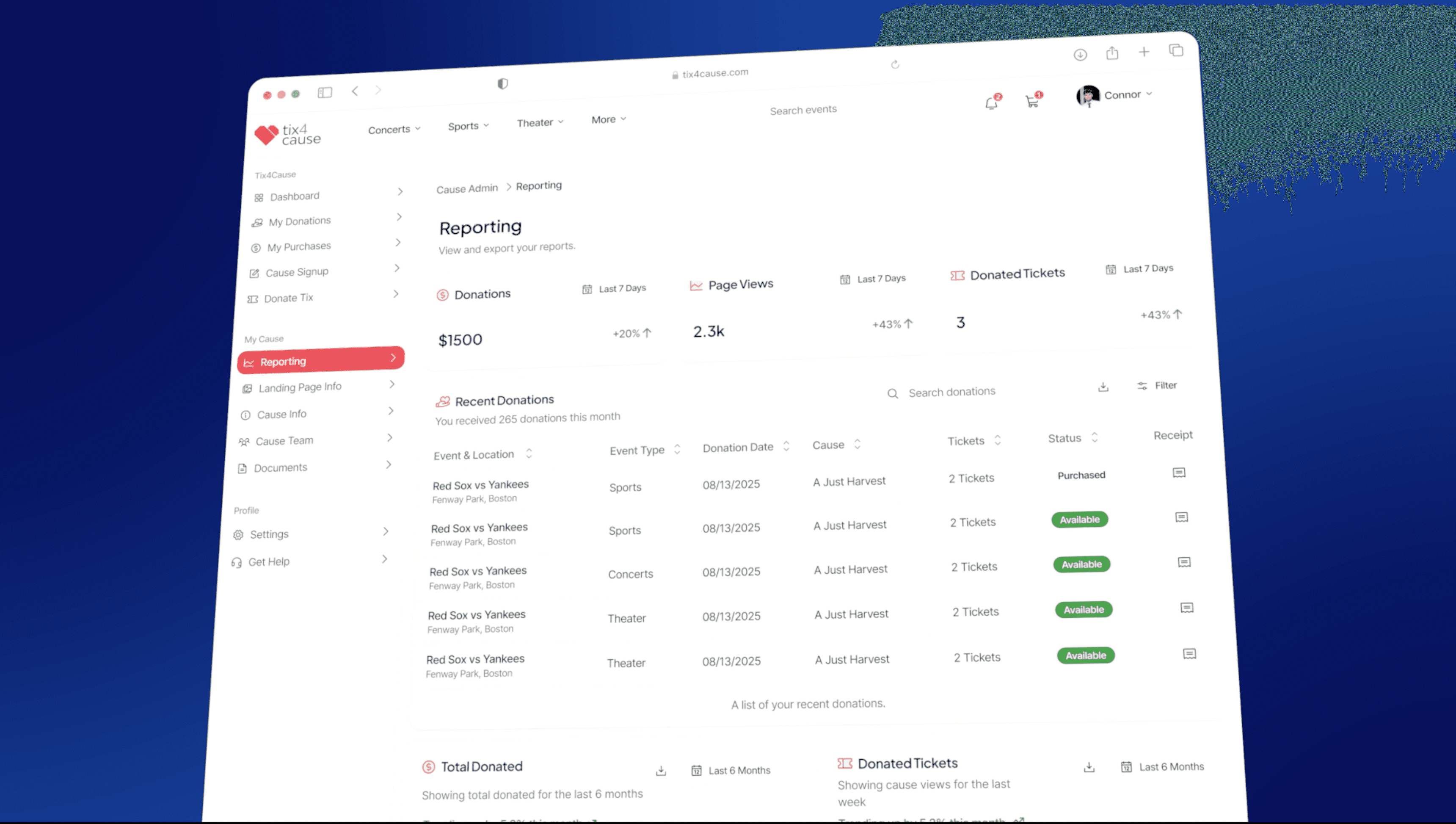
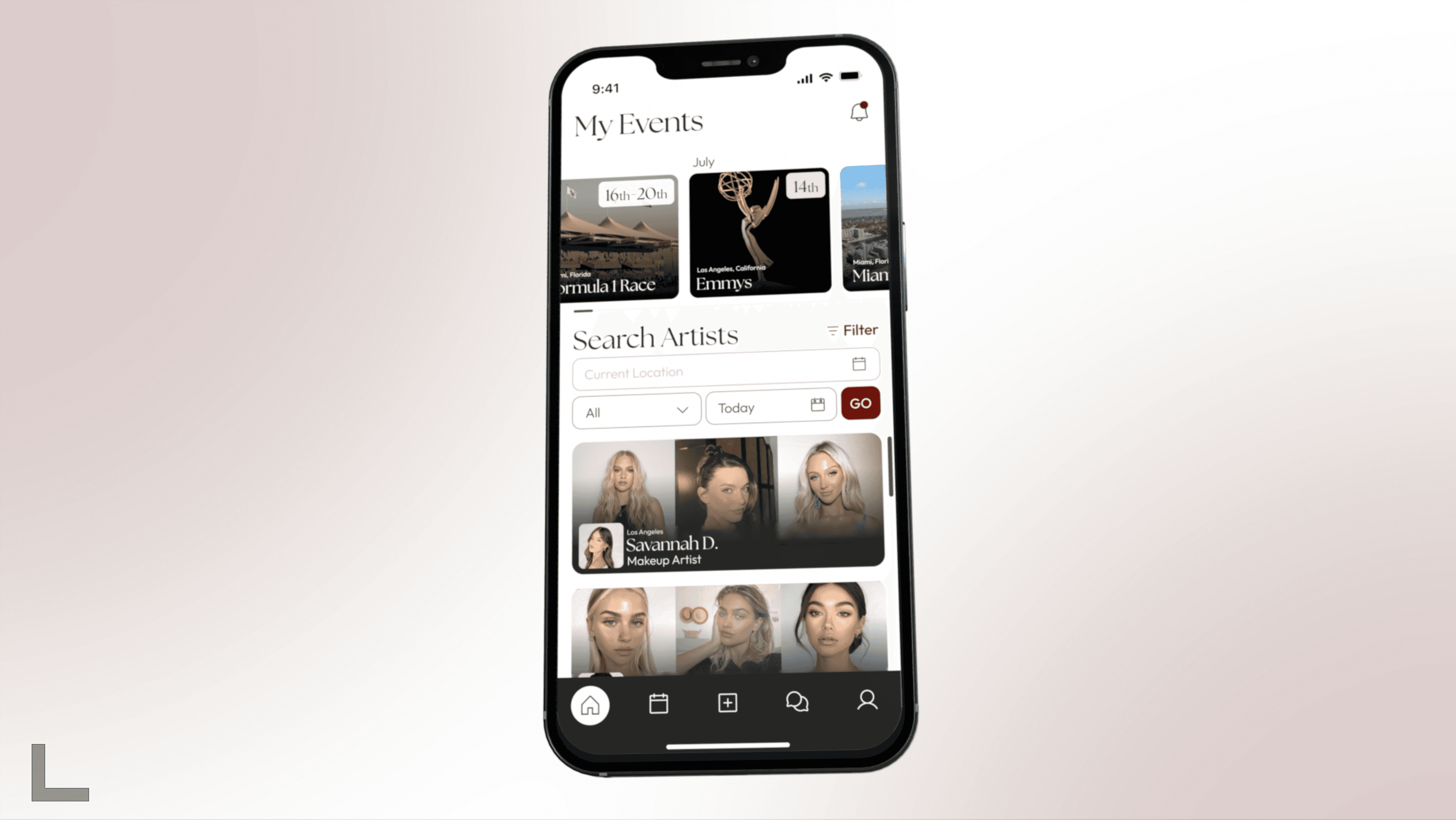
Your screens rebuilt with depth, perspective, and motion rather than presented head-on. This is the piece you flagged, and it is the one we would want your references on before we go further.
Our UI designers rebuild your frames from scratch and hand every component to the animators as an editable file. No purchased templates at any stage.
Words, pacing, and on-screen messaging get locked in Step 1: Scripting. This document is the direction and high-level thinking.
Your real product, brought to life
Your dashboard, the finance calculator, and the deal pipeline rebuilt frame by frame by our UI team, then animated separately. Not screen recordings.
Which is what makes the dimensional treatment possible. Elements can be lifted out of the full view, angled, and moved independently.
So future cuts and feature updates don't start from scratch.
Pricing & what you get
You mentioned around 45 seconds, so that's the tier we'd recommend. Length drives the price because it drives the number of scenes we design and animate.
One idea, hard and fast. Tight for covering a full feature set.
The length you named. Enough room for the spine plus four feature beats, at an upbeat pace.
More room to set the problem before the product, if the cold audience needs it.
Path forward
About 30 minutes to an hour of your time across the whole project. Review the script, review the storyboard, review the final cut. We handle everything in between.
On the risk you raised: the storyboard phase exists precisely so you're never surprised at the end. You see every frame, in your brand, before a single thing gets animated. Revisions there are unlimited, and nothing moves forward until you've approved what it will look like.No Risk: We'll refund you if it's not a fit